Lewisham council rules for roadside memorial flowers in Lee
Posted on 12/10/2026
Lewisham council rules for roadside memorial flowers in Lee: a practical, respectful guide
If you are trying to understand Lewisham council rules for roadside memorial flowers in Lee, you are probably dealing with a difficult moment. A roadside tribute is never just "flowers at the kerb". It is memory, grief, local sensitivity, and public space all tangled together. And that can get tricky, fast.
In Lee, the right approach is usually about balancing respect with safety and council expectations. The flowers need to be meaningful, but they also need to stay tidy, not obstruct pedestrians or drivers, and not become a hazard in bad weather. Truth be told, that's where many people get caught out. This guide explains what roadside memorial flowers normally involve, how local council rules tend to work, what to avoid, and how to keep the tribute dignified for as long as it remains in place.
To make the practical side a little easier, this article also links to useful floral pages for sympathy, tributes, and remembrance arrangements, including funeral flowers in Lee and sympathy flowers where that may help you choose something appropriate.
- Quick take: roadside memorial flowers should be respectful, safe, and kept within what the council will generally tolerate.
- Best practice: keep the display compact, secure, and easy to remove if needed.
- Most common issue: tributes that spread into the carriageway, block visibility, or create litter after wind or rain.

Why Lewisham council rules for roadside memorial flowers in Lee Matters
Roadside memorials are one of those things most people understand instinctively: a bouquet, a ribbon, maybe a photo or card placed near the spot where someone died or where a family's grief feels anchored. But once you move that tribute into a public highway, the rules matter a great deal more than people first assume.
In Lee, the area around the roadside may be on a pavement, verge, traffic island, or another piece of land that is technically controlled by the council or highways authority. That means the tribute is not only personal. It is also public. And public space comes with responsibilities. The council has to think about sightlines, maintenance, pedestrian access, roadside safety, and whether anything left there could cause an accident or nuisance later on.
That may sound cold, but it is not really. It is the reality of managing space that everyone uses. A loose bunch of flowers might be fine for a day or two. A larger memorial, especially one with heavy objects, plastic stems, glass vases, candles, or handwritten signs tied to railings, can become a problem. Wind catches it. Rain softens the ground. Cars pass close by. You can see how it gets complicated.
It also matters because memorials are often emotional flashpoints. Friends, family, neighbours, and passers-by may each have different ideas about what is respectful. Without clear guidance, a tribute can unintentionally become cluttered, unsafe, or hard to maintain. The council's role is usually to keep that balance. Not to erase grief, but to stop the tribute from becoming a hazard or an eyesore.
If you are arranging flowers for a nearby remembrance, it can help to choose something neat and durable. Smaller tributes, tied posies, or arrangements designed to sit securely tend to be more suitable than tall, loose displays. Many people also look at gentle sympathy styles such as tributes or baskets and posies because they are easier to place and keep tidy.
Expert summary: the safest roadside memorial is usually the one that stays compact, weather-resilient, and easy for council staff or family members to monitor over time.
How Lewisham council rules for roadside memorial flowers in Lee Works
There usually is not one single, universally simple rule that covers every roadside memorial in every setting. That is the awkward bit. Instead, what tends to happen is a mix of council discretion, highways safety requirements, and common-sense expectations about public land.
For a roadside tribute in Lee, the basic working idea is this: you can place flowers or a small memorial in a way that does not endanger the public, interfere with road users, or create an ongoing maintenance issue. If the memorial is in an area that the council maintains, it may be moved, reduced, or removed if it becomes unsuitable. Sometimes this happens quickly after incidents. Sometimes a family is given time. It depends on location, risk, and the council's wider practice.
In practical terms, a memorial normally works best when it is:
- small enough to sit safely off the carriageway
- unlikely to blow into the road
- made with flowers that do not shed heavily or become messy
- free from glass, flame, or sharp items
- easy to collect when the time comes to clear it
That last point matters more than people expect. A tribute that looks beautiful on day one can become troublesome by day four. A damp bouquet can slump sideways. Cellophane can flap in the wind. Cards can tear loose. If you have ever seen paper petals stuck to wet pavement on a grey morning, you will know the feeling. It is not lovely.
If the memorial is part of a wider bereavement or funeral arrangement, some families prefer to use a formal floral tribute that can be moved later to a cemetery, home, or place of remembrance. Options such as funeral arrangements, wreaths, or sprays can be more practical because they are structured and less likely to fall apart in weather.
The main thing to understand is that roadside tributes are usually tolerated most easily when they remain temporary, neat, and low-risk. If they start to look permanent, the council may treat them differently. Not unfairly, just differently.
Key Benefits and Practical Advantages
When a roadside memorial is handled carefully, it can offer real comfort without creating avoidable trouble. That is the sweet spot. Here are the main advantages people usually want.
| Approach | Why people choose it | Typical downside |
|---|---|---|
| Loose roadside flowers | Simple, heartfelt, quick to place | Can scatter, wilt, or become untidy fast |
| Compact bouquet or posy | More secure and less intrusive | Less visually dramatic than a large display |
| Structured tribute wreath or spray | Stable, dignified, easy to recognise | May feel more formal than some families want |
| Personalised floral tribute | Highly meaningful and customisable | Needs careful placement and better upkeep |
Some of the practical benefits of following the council's likely expectations include:
- Reduced risk: safer for pedestrians, cyclists, and drivers.
- Less stress: fewer worries about the tribute being removed suddenly.
- Better presentation: the memorial stays dignified for longer.
- Family agreement: a neat arrangement is often easier for everyone to accept.
- Lower maintenance: less need for constant checking and tidying.
There is also a quieter benefit that people do not always mention: when a tribute looks cared for, it often feels more respectful to strangers. A passer-by may not know the story, but they can see that someone has thought carefully about it. That matters. Grief needs room, but it also benefits from order.
For families choosing flowers that carry emotional weight but still work well in public settings, soft shades often help. White, pale pink, purple, and mixed natural tones are common choices. If you want something gentle and restrained, browse white flowers, purple flowers, or mixed colours for a memorial that feels calm rather than loud.
Who This Is For and When It Makes Sense
This guidance is for anyone trying to place or manage roadside memorial flowers in Lee. That may sound obvious, but the reasons people need it vary quite a bit.
You may be:
- a family member organising a tribute after a bereavement
- a friend wanting to leave flowers at the site of an accident or loss
- someone checking whether a memorial already placed by others is allowed to stay
- a local resident who wants to know what is appropriate before taking action
- a florist helping customers select a suitable arrangement for a roadside location
It makes sense to think about the rules early if the memorial is likely to stay in place for more than a day or two. If the flowers are meant as a short, private gesture, the approach can be simple. If the tribute is likely to become a meeting point, attract multiple additions, or remain after the immediate moment has passed, a little more planning is sensible.
A common scenario is this: one person leaves a few stems, then another adds a card, then someone else brings a teddy bear, then the arrangement grows. Before long, it is no longer just flowers. It has become a layered memorial with objects that may or may not be safe outdoors. That is where families often need to pause and decide whether a more structured tribute would be better.
It also makes sense for people who want a memorial that can later be moved somewhere more permanent. In that case, choosing a compact arrangement from a specialist range such as thinking-of-you flowers or sympathy flowers can be a cleaner solution than improvising a roadside display from mixed bouquets and loose wrapping.
Let's face it, the "right" tribute is not just about appearance. It is about whether it can actually be maintained without becoming another burden.
Step-by-Step Guidance
If you want to keep things simple and respectful, follow a practical sequence rather than guessing. It saves hassle later.
- Check the exact location. Is it pavement, verge, kerbside, or a traffic island? The risk and tolerance can differ depending on where the flowers will sit.
- Keep the arrangement compact. Smaller, lower tributes are usually safer and easier to manage.
- Avoid items that create hazards. Glass vases, lit candles, sharp stakes, and loose plastic are usually poor choices at the roadside.
- Choose weather-resistant flowers. Sturdy blooms generally cope better with wind and rain than fragile, heavily wrapped arrangements.
- Secure the tribute properly. If it can topple or slide, it is too loose.
- Add personal touches sparingly. A card, ribbon, or small message is often enough.
- Plan for removal. Decide who will check the tribute and when it may be collected or moved.
That final step is a big one. People often forget that roadside memorials are not always permanent. If you place flowers without thinking ahead, somebody has to make a decision later on a day when emotions may still be raw. A little planning now is kinder to everyone.
If you are ordering flowers for this purpose, look for arrangements that already have structure. A purpose-built tribute is usually better than a sprawling bouquet. You could also choose something from the more formal remembrance ranges, such as remembrance flowers or an in loving memory wreath, both of which are easier to place neatly.
A simple working rule: if you would not want it blowing across the pavement at 7:30 on a wet November morning, it probably needs more securing.
Expert Tips for Better Results
Over time, the best roadside tributes tend to be the ones that stay visually calm and physically stable. That sounds basic, but it makes a huge difference.
1. Keep the height low. Tall tributes catch the wind and can become awkward quickly. Low arrangements are less likely to topple or obstruct sightlines.
2. Use seasonal flowers wisely. A robust arrangement suited to the time of year often performs better outdoors. In colder, wetter months, hardier stems usually last longer. In summer, you still want something that will not droop in direct sun by lunchtime.
3. Minimise loose wrapping. Cellophane looks neat for a short while, then it starts making that annoying fluttering sound in the wind. Not ideal beside a busy road.
4. Leave space around the tribute. A memorial should not spill into the walking route. Even a small bunch can be in the wrong place if it sits too far out from the edge.
5. Pick a colour palette that feels calm. White and soft pastel tones often work well for remembrance, while richer colours can feel more celebratory. There is no rule that says grief must be grey, but a balanced look usually reads better in public space.
6. Think about who will see it. In a residential street, a tribute may be seen by neighbours every day. In a busier section of road, it may be seen by hundreds of people who do not know the story. That changes how understated or formal it may need to be.
7. Make it easy to tidy. If petals fall, can they be cleared quickly? If the answer is no, the design probably needs simplifying.
Sometimes the most respectful thing is also the least complicated. Funny how that works, really.
Common Mistakes to Avoid
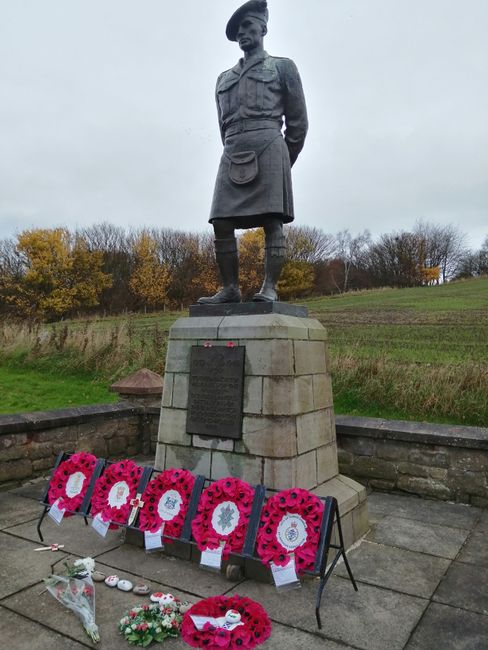
Most issues with roadside memorial flowers do not come from bad intentions. They come from people being upset, rushed, or trying to make the tribute "big enough" to show how much someone mattered. That impulse is understandable. It can also backfire.
- Placing flowers in the carriageway: even partly in the road, they can become dangerous very quickly.
- Using glass containers: broken glass near traffic or pedestrians is a serious risk.
- Adding candles or flames: wind, weather, and public access make them a poor fit for most roadside locations.
- Overcrowding the memorial: too many items can make it look messy and harder to manage.
- Choosing fragile flowers only: delicate blooms may wilt or collapse before the tribute has had time to be properly seen.
- Assuming the council will leave it indefinitely: that may not happen, especially if safety or maintenance concerns arise.
- Forgetting about removal: every memorial needs an end point, even if that feels hard to think about now.
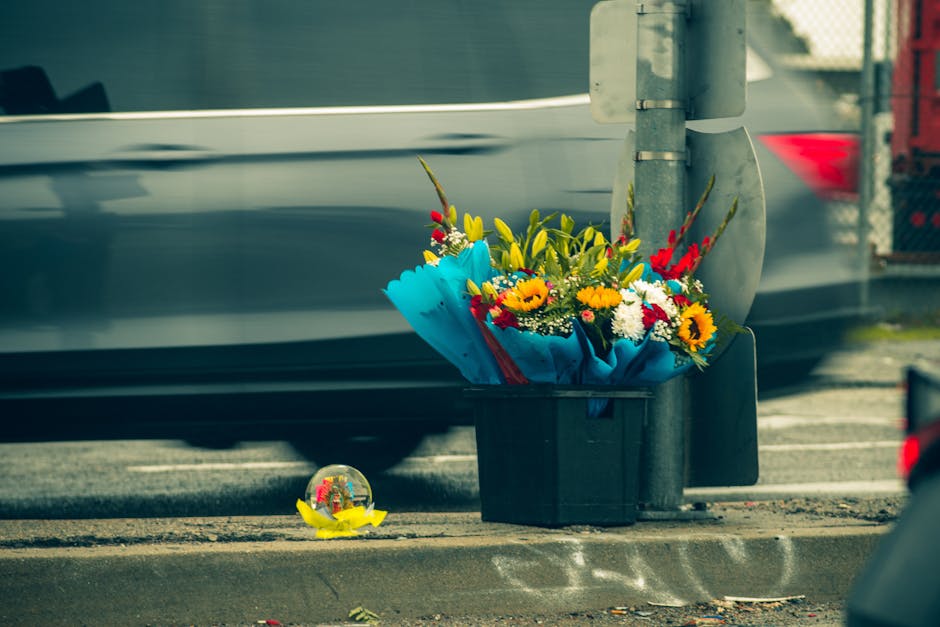
One subtle mistake is using an arrangement that looks fine at home but is wrong for outdoors. A vase that sits beautifully on a table may wobble on uneven pavement. A ribbon that feels soft indoors may become a tangle in the rain. The roadside is less forgiving. It just is.
If you are unsure, a florist can usually guide you toward a more suitable shape. For instance, a low tribute, a wreath, or a basket style often makes more sense than an oversized hand-tied bouquet. You may also find that options from local flower shops in Lee are easier to adapt to the exact setting than a one-size-fits-all arrangement.
Tools, Resources and Recommendations
You do not need a lot of equipment for a respectful roadside memorial, but a few practical items can help.
- Floral tape or ties: useful for keeping stems together without making the tribute bulky.
- Weather-resistant wrapping: helps prevent the arrangement from disintegrating too quickly.
- Small message card: a simple card often communicates more clearly than multiple loose notes.
- Scissors or secateurs: useful if you need to shorten stems before placement.
- Recyclable carrier or basket: handy if the tribute may need to be moved later.
When choosing flowers, structure matters more than volume. In our experience, compact tribute styles hold up better than dramatic, sprawling arrangements. That is especially true where wind, traffic spray, or frequent footfall are factors.
Some sensible product types to consider are:
- sprays for a formal, stable shape
- wreaths for a balanced and recognisable tribute
- tributes for custom remembrance messages
- letter tributes where a name or word matters emotionally
- flower care guidance if the arrangement may need to last a little longer
If the memorial is for a funeral, sympathy, or remembrance occasion rather than a spontaneous roadside gesture, you may also want a more formal arrangement from the funeral collection. Those are often easier to transport, display, and later relocate.
Law, Compliance, Standards, or Best Practice
This topic sits at the intersection of public space, safety, and personal expression. That means you should be cautious about treating it like a purely decorative choice. While specific council practices can vary, the general public-safety principles are fairly consistent across London.
Some useful best-practice points include:
- Do not obstruct the highway: memorials should not impede road users or pedestrians.
- Avoid creating trip hazards: anything at ground level should be stable and compact.
- Do not assume permanence: a roadside tribute is usually temporary unless specifically arranged otherwise.
- Use materials suitable for outdoor exposure: weather can change an arrangement quickly.
- Respect local maintenance needs: councils must still access and maintain the space.
There is also a social standard here, and it is worth saying plainly: a memorial should feel respectful to the bereaved and tolerable for the community. That is not always an easy balance. But if the tribute is neat, modest, and safe, it is far more likely to stay in place without issue.
For people worried about whether their choice is "too much" or "not enough", the safest answer is to keep things restrained. That does not diminish the grief. It just makes the tribute more suitable for a shared space. If anything, restraint can be more moving.
Options, Methods, or Comparison Table
Choosing the right memorial style depends on how long you want it to remain, how visible it should be, and how much upkeep you can manage. Here is a practical comparison.
| Option | Best for | Pros | Cons |
|---|---|---|---|
| Loose bouquet | Short-term, informal tribute | Simple and personal | Less stable outdoors |
| Posy or basket | Compact roadside placement | Neater, easier to secure | Smaller visual impact |
| Wreath | Formal remembrance | Structured and dignified | May feel more ceremonial |
| Spray | Memorials needing shape and stability | Good balance of formality and practicality | Can be more expensive than a simple bouquet |
| Custom tribute | Names, words, personal symbolism | Very meaningful | Needs more careful planning and placement |
If the tribute is for a roadside location in Lee, the most sensible option is often the one that stays low, neat, and weather-aware. A custom tribute can be beautiful, yes, but only if it is designed with the setting in mind. Otherwise it can become more delicate than the road really allows.
Case Study or Real-World Example
Imagine a family in Lee who wants to leave flowers near the site of a sudden loss. They first bring a loose bunch of flowers tied with ribbon, plus a card and a small wooden message. It feels right in the moment, especially with people still arriving and the mood heavy and quiet.
By the next morning, the weather changes. Wind lifts one side of the wrapping. The card starts to curl. A neighbour notices petals spreading across the pavement. Nothing dramatic, but enough to make the tribute look tired much faster than anyone expected.
At that point, the family has two choices. They can keep adding to the roadside display and risk clutter, or they can move the tribute to a more secure arrangement. They choose the second path. A more compact floral piece is prepared, placed neatly, and later transferred to a safer memorial location.
That is a small example, but it mirrors what often happens in real life. The first tribute is emotional. The second is practical. The best outcome usually comes when both are considered.
If that scenario feels familiar, you are not alone. Many families start with instinct and then refine the tribute once they have had a moment to breathe. A calmer, sturdier arrangement often feels better anyway.
Practical Checklist
Before placing roadside memorial flowers in Lee, run through this checklist. It keeps things simple when your head is busy.
- Have you checked exactly where the flowers will sit?
- Is the tribute compact enough for a public roadside location?
- Have you avoided glass, flame, and sharp items?
- Will the arrangement stay stable in wind or rain?
- Is there enough room for pedestrians and maintenance access?
- Have you chosen flowers that suit outdoor conditions?
- Is there a clear plan for who will monitor or remove the tribute later?
- Does the memorial feel respectful without becoming cluttered?
- Would a wreath, spray, or posy work better than a loose bouquet?
- Have you thought about whether the tribute may be moved to a more permanent setting?
If you can answer yes to most of these, you are probably on the right track. If not, simplify. That is usually the cleanest fix.
Get a free quote today and see how much you can save.
Conclusion
Understanding Lewisham council rules for roadside memorial flowers in Lee is really about being respectful in a shared space. The goal is not to make grief bureaucratic. It is to make sure a tribute stays safe, dignified, and manageable in the real world. That means keeping it compact, avoiding hazards, and choosing flowers or tribute styles that can handle the roadside better than a casual hand-tied bunch.
If you are planning a memorial, take your time. Think about the weather, the location, and how long the flowers are likely to stay in place. A simple, well-made tribute often says more than a grand one. And in moments like this, that quiet thoughtfulness tends to matter most.
When you are ready, choose something that feels steady, loving, and appropriate for the place. A small, careful gesture can carry a lot of heart.
Frequently Asked Questions
Can I leave roadside memorial flowers anywhere in Lee?
Not always. If the flowers are going on public land or close to a road, they need to be placed safely and without obstructing people or traffic. The exact location matters a lot.
How long can roadside memorial flowers stay in place?
That depends on the location and local tolerance. A short-term tribute is more likely to be left alone than something that looks permanent or starts to interfere with maintenance.
Will Lewisham council remove roadside flowers straight away?
Not necessarily. Councils often take a practical approach, especially where a tribute is neat and low-risk. But if there is a safety issue, removal may happen.
What flowers are best for a roadside memorial?
Sturdy flowers and structured arrangements usually work best. Compact wreaths, sprays, or posies are often better suited than loose, fragile bouquets.
Are candles allowed with roadside memorial flowers?
Usually they are a poor idea at the roadside because wind, weather, and public access make them risky. Safer alternatives are usually better.
Can I put a photo or card with the flowers?
Yes, but keep it simple and secure. Loose cards can blow away, so if you include one, make sure it is fixed in place or tucked safely into the arrangement.
What should I do if the memorial starts getting messy?
Tidy it promptly if you can. If the tribute is becoming unstable or cluttered, it may be better to move it into a more controlled arrangement.
Is a wreath better than a bouquet for roadside use?
Often, yes. Wreaths are more structured and tend to stay put more easily outdoors, which can make them a better fit for a public roadside memorial.
Do I need permission for roadside memorial flowers in Lee?
Sometimes the practical answer is yes, or at least some level of tolerance from the authority managing the land. If you are unsure, keep the tribute modest and avoid placing it where it could cause a hazard.
What if I want the memorial to feel more personal?
You can still personalise it with colours, ribbon, a card, or a custom tribute, as long as the overall arrangement stays safe and neat. Personal does not have to mean large.
Can floral tributes be moved later?
Yes, and that is often a good idea. Many families later move flowers to a graveside, home memorial, or another place of remembrance once the roadside moment has passed.
Where can I find suitable flowers for a sympathy or remembrance tribute?
You can start with structured options like sympathy flowers, wreaths, sprays, or remembrance arrangements. These are usually easier to adapt for a roadside memorial than loose everyday bouquets.


